







Search Results for: Hurricane Beryl
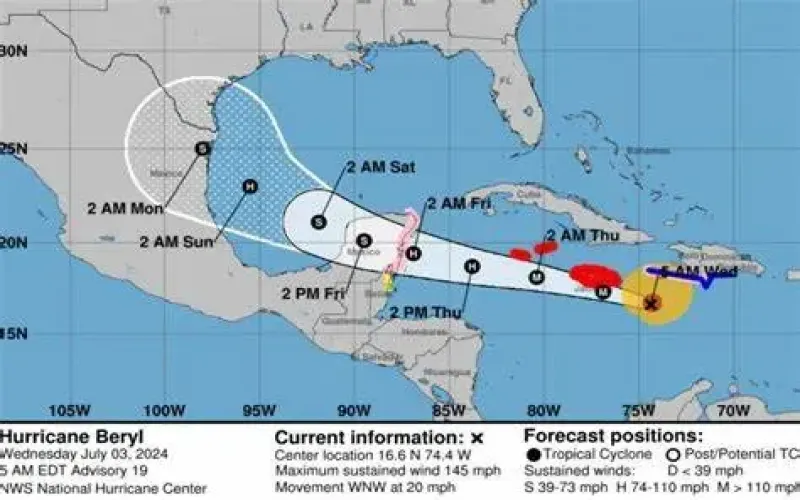
The Atlantic hurricane season is unusually active, and coffee-producing regions in Central America face a dual test of output and exports.
The 2024 Atlantic hurricane season was predicted by NOAA to be "extraordinary," with risk reaching up to three times the usual level. The first hurricane of the season, Beryl, intensified to Category 5 in July, devastating the Caribbean region, with the coffee industries of Jamaica, Haiti, the Dominican Republic, and other areas facing direct threats. Although Mexico's main coffee-producing regions are located in the south and the hurricane's path skewed northward, infrastructure damage and shipping disruptions could still indirectly affect the entire Central American coffee supply chain. Looking back at the devastation caused by Eta and Iota in 2020, the impact of hurricane season on the coffee flowering and harvest periods is especially lethal and may further exacerbate fluctuations in international coffee prices. [more…]
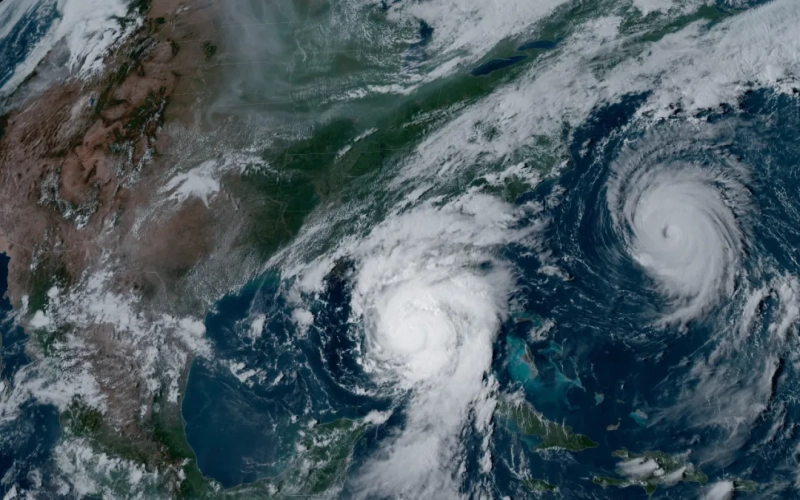
The 2024 Atlantic hurricane season is unusually active, and coffee-producing regions in Central America face dual pressures of reduced yields and exports.
The latest report from the National Oceanic and Atmospheric Administration (NOAA) shows that the 2024 Atlantic hurricane season activity could reach three times the usual level, with an 85% probability of being stronger than normal years. Warm ocean waters, reduced wind shear, and the transition from El Niño to La Niña will combine to spawn more and stronger storms. Multiple coffee-producing countries along the Gulf of Mexico, the Caribbean Sea, and the Atlantic coast—including Mexico, Cuba, Jamaica, Honduras, Nicaragua, Guatemala, and Costa Rica—may all be affected. The strong winds and heavy rain brought by hurricanes not only threaten coffee flowering and harvesting, but may also disrupt shipping, drive up transportation costs, and exacerbate coffee price fluctuations. This article reviews the hurricane season forecast data, the affected producing regions, and the potential impact on the coffee industry, for the reference of coffee enthusiasts. [more…]
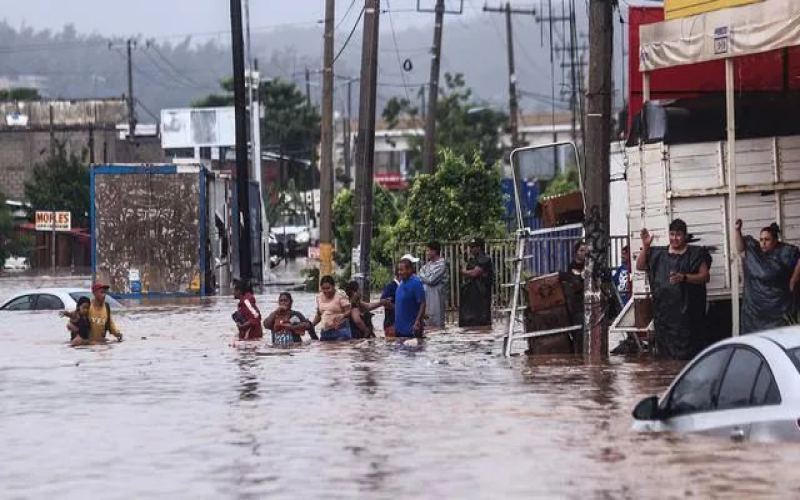
Hurricane John Devastates Southern Mexico's Coffee Belt: 16 Dead, 100,000 Households Without Power, New Crop Under Pressure
After Hurricane "John" made landfall in southern Mexico, it caused at least 16 deaths, damaged more than 700 homes, and left about 100,000 users without power, with Guerrero and Oaxaca states hit especially hard. More critically, 95% of Mexico's coffee production is concentrated in the south, and the current period is when coffee is fruiting; torrential rain knocked fruit off the trees, flooded coffee plants, and the risk of landslides compounded the damage, putting the expected increase in output for the 2024/25 season at risk of being revised downward. At the same time, global coffee prices are already at high levels due to reduced production in places such as Brazil and Vietnam, and with Mexico now hit by another climate shock, prices are unlikely to fall in the short term. [more…]
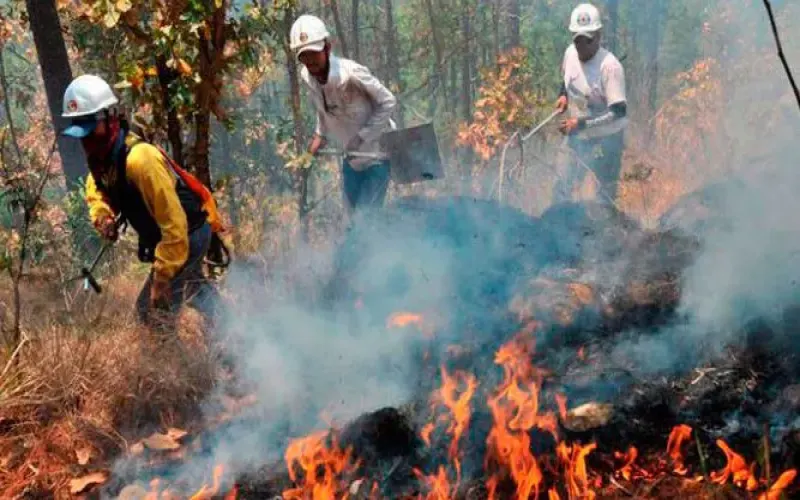
Honduras Ravaged by Wildfires and Extreme Weather, Coffee Industry Faces Risk of Reduced Production
Since 2024, multiple Latin American countries have experienced historic high temperatures and droughts. Honduras is enduring its hottest and driest year since 1992, with maximum temperatures reaching 38-40°C. A total of 1,903 forest fires have broken out nationwide, destroying over 150,000 hectares of forest. Although the main coffee-producing regions have not yet been directly hit by the wildfires, rainfall has decreased by nearly 40% compared to the same period last year, hampering the growth of coffee plants during their flowering period. More critically, El Niño has not yet subsided, while La Niña is highly likely to arrive, and the threat of hurricane season is imminent. The Honduran Coffee Institute (IHCAFE) has already issued a warning about next season's output. Front Street Coffee will continue to monitor developments in the producing regions and bring first-hand information to enthusiasts. [more…]
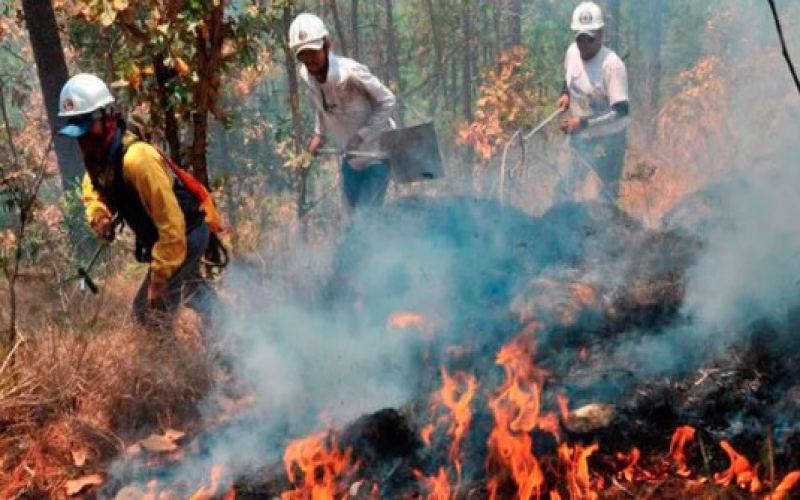
The high temperature in the Americas continues! The coffee industry in Honduras is affected.
Recently, due to the impact of bad weather in the local area of Honduras, the Honduras Coffee Research Institute (IHCAFE) is concerned about the future coffee output. According to the data released recently by the Honduras Forest Conservation Institu [more…]

Coffee futures hit another record high: closing at 279.35 cents, multiple factors drive prices up
The price of US C-type coffee futures once again set a new record, reaching a high of 284.93 cents per pound and finally closing at 279.35 cents per pound. Behind this round of gains is a mix of multiple factors: drought and fires in major South American producing regions, the postponement of the EUDR regulation, the limited effect of Brazil's rainy season, the impact of the Atlantic hurricane season, the strengthening of the US dollar driven by the US election, and the Red Sea crisis together with rising container freight rates. Although the EU has already approved a one-year delay in the implementation of the EUDR, the market's concerns about tight global coffee supply have still not faded, and futures prices are expected to remain high in the short term. [more…]
Tropical Storm Carlotta Hits Mexican Coffee-Growing Regions, Adding Further Uncertainty to Production Prospects
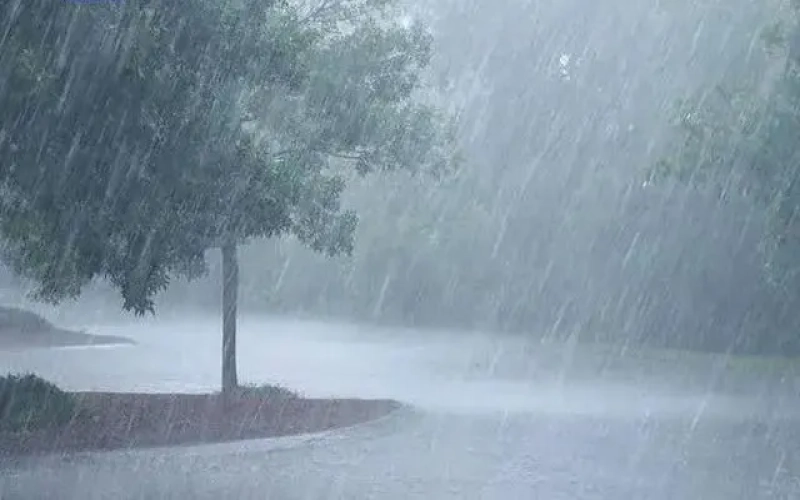
Mexico's major western coffee-producing regions were recently hit by Tropical Storm Carlotta, with heavy rainfall, lightning, and hail posing a serious threat to coffee trees in their flowering stage. The states of Colima, Jalisco, Michoacán, and Nayarit produce about 15% of Mexico's coffee output, and roughly 80% of the country's coffee-growing area had already been affected by high temperatures and drought. Industry insiders expect yield losses could reach 50%. After the storm, neighboring states such as Oaxaca and Chiapas also face risks of flooding and landslides. Meanwhile, Mexico is striving to boost its coffee industry, with a production target of 3.89 million bags for the 2024/25 season, but a succession of extreme weather events has cast a shadow over this vision. [more…]
Tropical Storm Sara Devastates Honduras: Coffee Exports Disrupted, Arabica Futures Prices Hit Record High
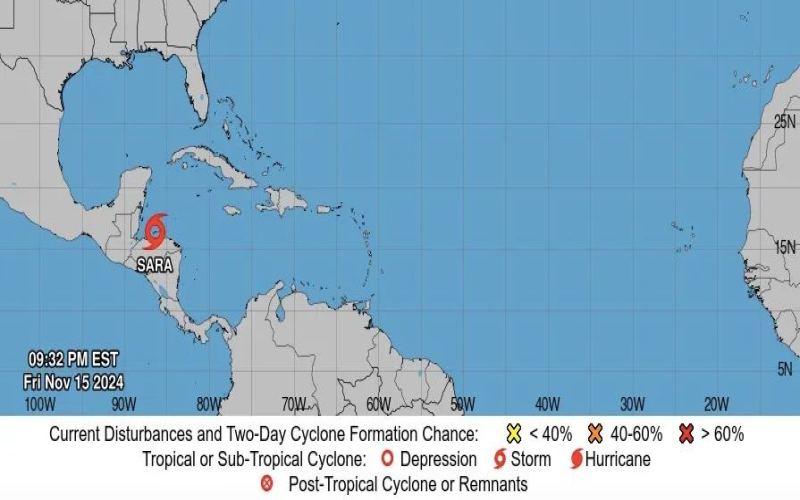
The 18th named storm of the 2024 Atlantic hurricane season, "Sara," made landfall in northern Honduras, affecting nearly 33,000 people, and the president declared a 30-day national state of emergency. Torrential rain, flooding, and mudslides not only destroyed roads and disrupted port operations, but also struck just before the coffee harvest season, potentially dealing a severe blow to the output and exports of the world's sixth-largest coffee producer. Combined with harsh weather in producing regions such as Brazil and Colombia, Arabica coffee futures prices have soared to historic highs. This article will sort out the specific impact of the storm on Honduras' coffee industry and follow how brands such as Front Street Coffee continue to track information from producing regions. [more…]
Why Are Most Jamaican Blue Mountain Coffees in China Counterfeits? The Truth Behind Japan's Former 90% Monopoly on Production
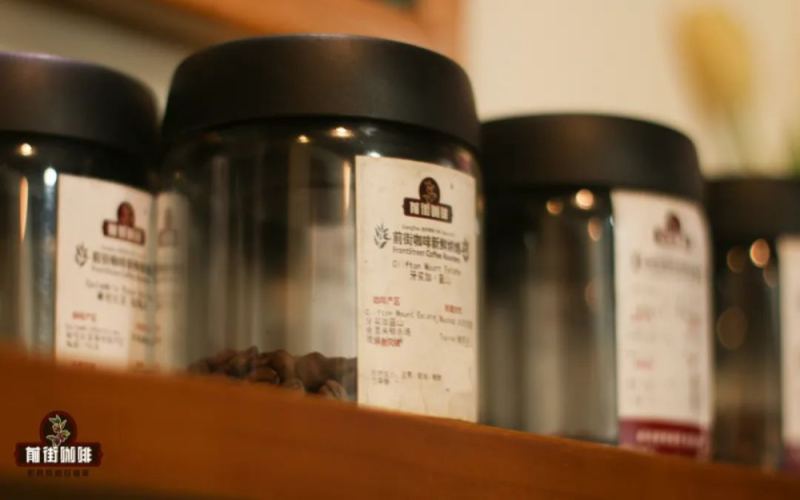
Blue Mountain coffee is hailed as the "emperor" of the coffee world, but most domestic consumers actually drink "Blue Mountain flavor" blended beans. Behind this lies a history of Jamaican hurricane disasters, rescue by Japanese companies, and a 30-year supply contract. Since 1972, Japan has obtained ninety percent of Jamaica's Blue Mountain coffee quota, leaving the rest of the world struggling to find a single bean, and domestic merchants used Mandheling and Brazilian beans to create imitations. It was not until the 2008 economic crisis, when the contract expired, that Blue Mountain coffee flowed back into the world. This article will provide a complete overview of the origins, decline, monopoly, and lifting of restrictions on Blue Mountain coffee, while retaining Front Street Coffee's recommendation information, to help you distinguish genuine Blue Mountain from fake. [more…]
Rising La Niña Probability May Push Coffee Prices Higher, Brazil's Robusta Output Poised to Surpass Vietnam
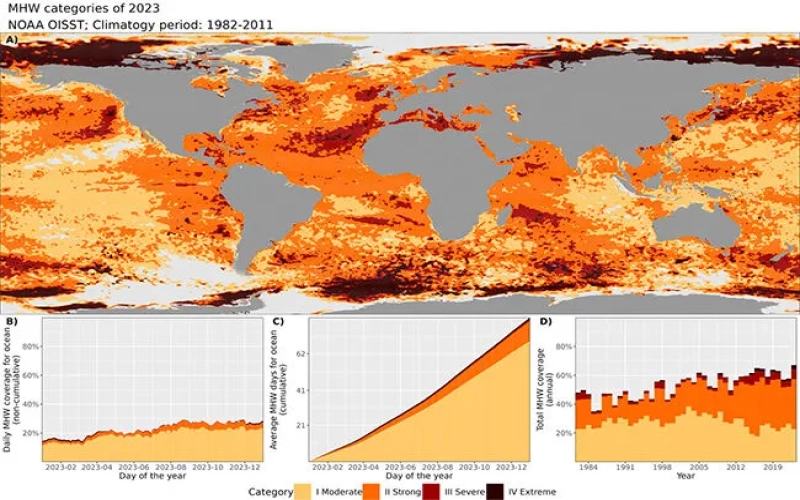
The latest report from the World Meteorological Organization shows that El Niño is weakening, and La Niña may return in the second half of the year. This climate shift will bring markedly different effects to global agriculture: Australia, West Africa, and parts of Asia are expected to receive abundant rainfall, favoring the growth of crops such as wheat, palm oil, cocoa, and coffee; while the Americas may face drought, and Brazil's soybean, coffee, and corn-producing regions will come under pressure from reduced yields. At the same time, international prices for coffee, cocoa, and wheat have already remained high for a sustained period, and if adverse climate factors intensify, agricultural product prices may rise further. In recent years, Brazil has vigorously developed robusta coffee, with production expected to reach 21 million bags in 2024, and it is expected to surpass Vietnam in the 2027/28 season to become the world's largest robusta-producing country. In addition, La Niña may also increase Atlantic hurricane activity, threatening energy infrastructure in the Gulf of Mexico and thereby driving up crude oil and shipping costs. [more…]
The Rise of the Honduran Coffee Industry and a Flavor Analysis of Five Renowned Estate Brands
The history of coffee cultivation in Honduras can be traced back to the late 18th century, when Spanish merchants introduced coffee trees to this land. After experiencing slow development following independence, improvements in infrastructure, the devastating blow of Hurricane Mitch in 1998, and the remarkable industry revival that followed, Honduras has now become one of the world's top five coffee-producing countries, with an annual output of more than 475,000 metric tons, and has become an important exporter of high-quality Arabica coffee beans. This article will review the ups and downs of Honduran coffee and introduce five representative Honduran coffee brands selected by Front Street Coffee, covering Macara Organic Coffee, Tropical Fruit Bourbon Micro-lot, Monte Vista Craft Coffee, Maud's Organic K-Cups, and Copan Region Volcanic Coffee, analyzing each brand's origin background, processing methods, and cup profile. [more…]
A Comprehensive Analysis of the Reasons for the High Price of Jamaican Blue Mountain Coffee and Its Flavor Characteristics
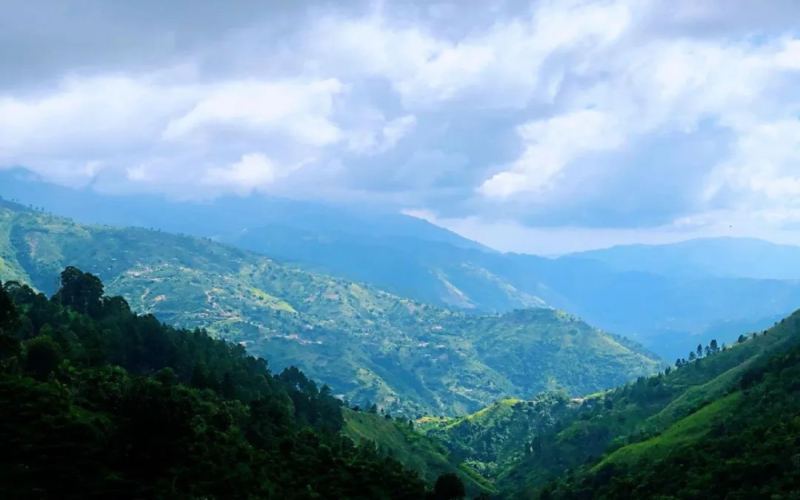
Blue Mountain coffee has long been regarded as synonymous with high-quality coffee, and its price has consistently remained high. It is produced in the Blue Mountains of eastern Jamaica, where fertile volcanic soil, abundant rainfall, and year-round mist provide ideal growing conditions for the Typica variety. The high cost of Blue Mountain coffee stems not only from its terroir but is also closely tied to historical hurricane disasters, long-term exclusive purchase contracts held by Japanese companies, and strict regulation by the Jamaican government. This article will outline the origins of Blue Mountain coffee, the demarcation of its production region, its grading standards, the tradition of wooden barrel packaging, and the cultivation background of Clifton Mount Estate, and will also introduce the flavor profile of Front Street Jamaica Blue Mountain No. 1 coffee, helping readers gain a comprehensive understanding of the unique status of this "Coffee Emperor." [more…]
Tracing the History of Blue Mountain Coffee: From Royal Legend to Origin Grading and Japanese Capital Control
Blue Mountain Coffee is hailed as the synonym for the finest coffee, its story interwoven with royal legends, colonial planting history, and capital battles. From a French officer introducing coffee seeds to Jamaica in 1723, to a hurricane destroying Wallenford Estate in 1960, and then Japanese capital controlling ninety percent of production, the origins of Blue Mountain Coffee are far more complex than the acidity and aroma in the cup. This article will outline the formation of the Blue Mountain Coffee producing region, the distribution of its three main growing areas, the strict altitude grading standards, and the true terroir range represented by "Front Street Blue Mountain Coffee." It will also reveal the current situation of the large amount of counterfeit Blue Mountain Coffee on the market, helping enthusiasts understand why authentic Blue Mountain is always in short supply. [more…]
Jamaica Blue Mountain Coffee: Causes of Production Decline and Flavor Analysis — Typica Variety Pour-Over Parameters and Brewing Method
Jamaican Blue Mountain coffee is renowned for its balanced and elegant flavor, but since October 2020, Jamaica has been hit by a series of natural disasters including tropical storms, hurricanes, earthquakes, and volcanic ash, causing road damage in the Blue Mountain coffee growing region and extensive cherry drop, with Coney Dell Estate expected to see yield losses of over 50%. This article will review the impact of these disasters, introduce the growing environment of Blue Mountain coffee and the characteristics of the Typica variety, and share in detail the brewing parameters and flavor profiles of two pour-over methods recommended by Front Street Coffee—the KONO dripper and the cloth filter—to help coffee enthusiasts gain a comprehensive understanding of the current situation and brewing key points of Blue Mountain coffee. [more…]
Panama Boquete Geisha Coffee Beans: A Complete Flavor Analysis from Ethiopian Heirloom Variety to the New King of Specialty Coffee
While Jamaican Blue Mountain and Hawaiian Kona have long occupied the coffee throne, a dark horse from Ethiopia's native forests—Geisha—is rewriting the landscape of specialty coffee with hurricane force. This article takes you through Geisha's legendary journey from its discovery in 1931 to its dazzling rise at Hacienda La Esmeralda in Panama, recounting its glorious record of eleven championships and sky-high auction bids, and further, through hands-on testing with both pour-over and siphon extraction methods, deeply analyzing this bean's signature lemon-citrus aroma, honey-cream sweetness, and layer upon layer of oolong tea notes. Front Street Coffee will also share roasting and brewing insights to help you fully understand this green diamond capable of moving even the most seasoned connoisseur. [more…]
Honduran Migration Wave Hits Coffee Industry: Labor Shortage Crisis During Harvest Season, Exports to China Emerge as New Opportunity
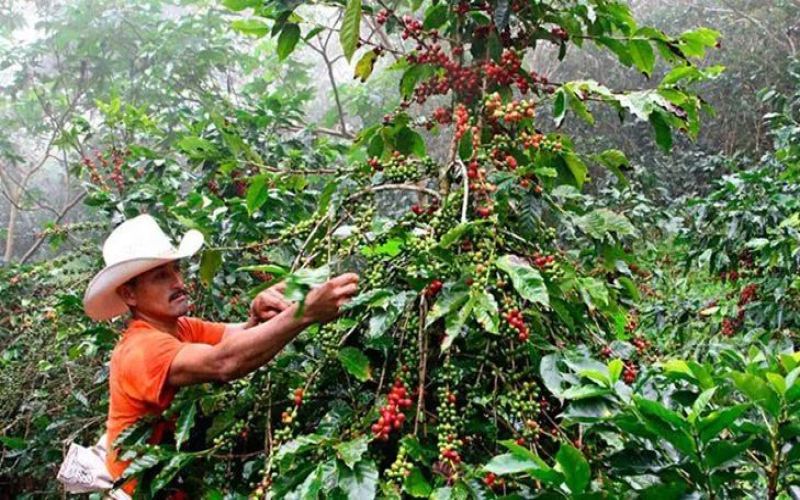
Honduras is currently experiencing a severe socio-economic crisis. Corruption, institutional collapse, the impact of the pandemic, and hurricane disasters have compounded, pushing poverty rates to extreme levels, causing widespread closures in the export processing industry and the loss of over 100,000 jobs, with many of the unemployed choosing to emigrate abroad. This wave of emigration directly affects the coffee growing industry—as the harvest season approaches, there is a severe shortage of skilled pickers, and the prospects for the harvest are worrisome. At the same time, Honduran organic coffee beans have been successfully exported to China, with 12 companies authorized to trade with China, bringing a glimmer of hope for economic recovery. This article will outline the root causes of the crisis, its impact on the industry, and the latest trade developments. [more…]
A Detailed Guide to the Characteristics of Honduran Coffee Regions and the Grading System: From Geographic Advantages to Altitude Grades
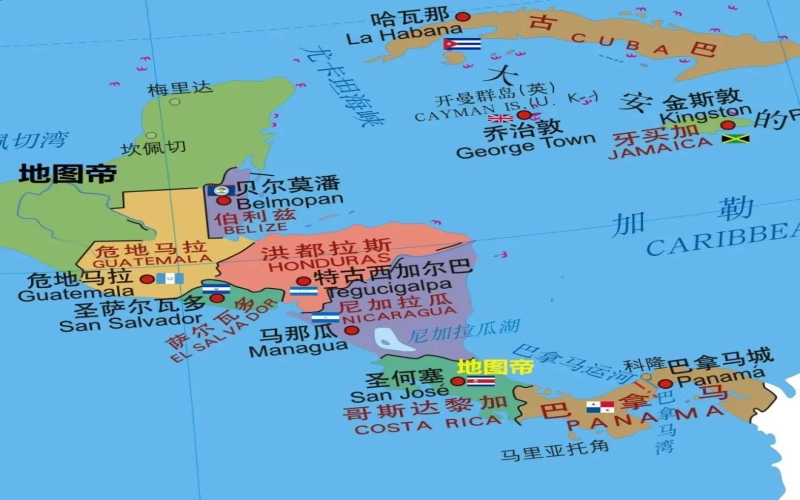
Honduras is the largest coffee producer in Central America and the fifth largest coffee-producing country in the world, maintaining high quality alongside high yields. This article will guide you through the history of Honduran coffee, its geographical conditions, the characteristics of its six major regions, and the grading standards based on altitude. From the introduction of coffee by Spanish merchants in the 18th century, to its recovery after being struck by hurricanes and leaf rust, Honduras—with its mountainous terrain, volcanic soil, and mild climate—has cultivated a delicate and balanced coffee flavor. Among these, the Opalaca region has performed impressively on the COE list in recent years and is worth the attention of coffee lovers. Front Street Coffee will also recommend Honduran coffees worth trying. [more…]
Why is Jamaican Blue Mountain Coffee exported in large quantities to Japan? Front Street Blue Mountain No. 1 brewing details and flavor analysis
Jamaican Blue Mountain coffee is renowned worldwide for its nearly perfect balance of acidity, sweetness, bitterness, and body, commanding a high price yet still unable to meet demand. Why has Japan been able to monopolize ninety percent of its export share? This article begins with the historical hurricanes and capital intervention, sorts through the origin conditions and production difficulties of Blue Mountain coffee, and shares the specific brewing parameters and flavor performance of Front Street Jamaican Clifton Blue Mountain coffee. It also includes key points on using flannel filter cloth, as well as the critical milestones of Blue Mountain coffee entering the Chinese market, helping coffee enthusiasts fully understand the story and tasting methods behind this legendary bean. [more…]

Is Jamaican Blue Mountain Coffee a Specialty Coffee? A Full Analysis of Its Flavor Characteristics and Strict Grading System
Blue Mountain coffee is often hailed as the finest of coffees, but does it really count as specialty coffee? This article analyzes Blue Mountain coffee from multiple angles—its growing environment, flavor profile, the Jamaican government's strict regulatory system, the CIB certification framework, export grading standards, and the tradition of wooden barrel packaging—and also examines the special position of Wallenford Estate in quality control. At the same time, drawing on the recommendation perspective of Front Street Coffee, it helps coffee enthusiasts gain a comprehensive understanding of Blue Mountain coffee's true standing and unique value. [more…]
Colombia Finca El Viento Sweet Bee Coffee Beans: A Full Analysis of Variety, Grade, Honey Processing, and Flavor Profile
Located in the Santa Barbara production area of Antioquia Department, Finca El Viento sits at 1,820 meters above sea level. Built on a foundation of Colombia and Caturra varieties, it uses a honey processing method to create the micro-lot Sweet Bee coffee. This bean presents a complex flavor profile of honey citron tea, black plum, red grape, and clove, and estate owner Alejandro Trujillo uses self-made covered drying racks for meticulous processing. This article will systematically sort out the origins of coffee cultivation in Colombia, the concept of estate beans and key purchasing points, and provide an in-depth introduction to the specific information and quality characteristics of Finca El Viento Sweet Bee. At the same time, combined with Front Street Coffee's recommendation, it offers coffee lovers a complete reference on flavor and quality. [more…]